Lingxi Insights: Hong Kong NGO Observations
A formal collection of Hong Kong NGO signals, research evidence, and frontline scenarios, written as reviewable essays on service, fundraising, and operations.

When Patients or Carers Cannot Be There, How Can Technology Bring Care to Them?
VR, home sensors and remote communication can carry places, signals and relationships across distance, but people still have to receive, interpret and act on what returns.
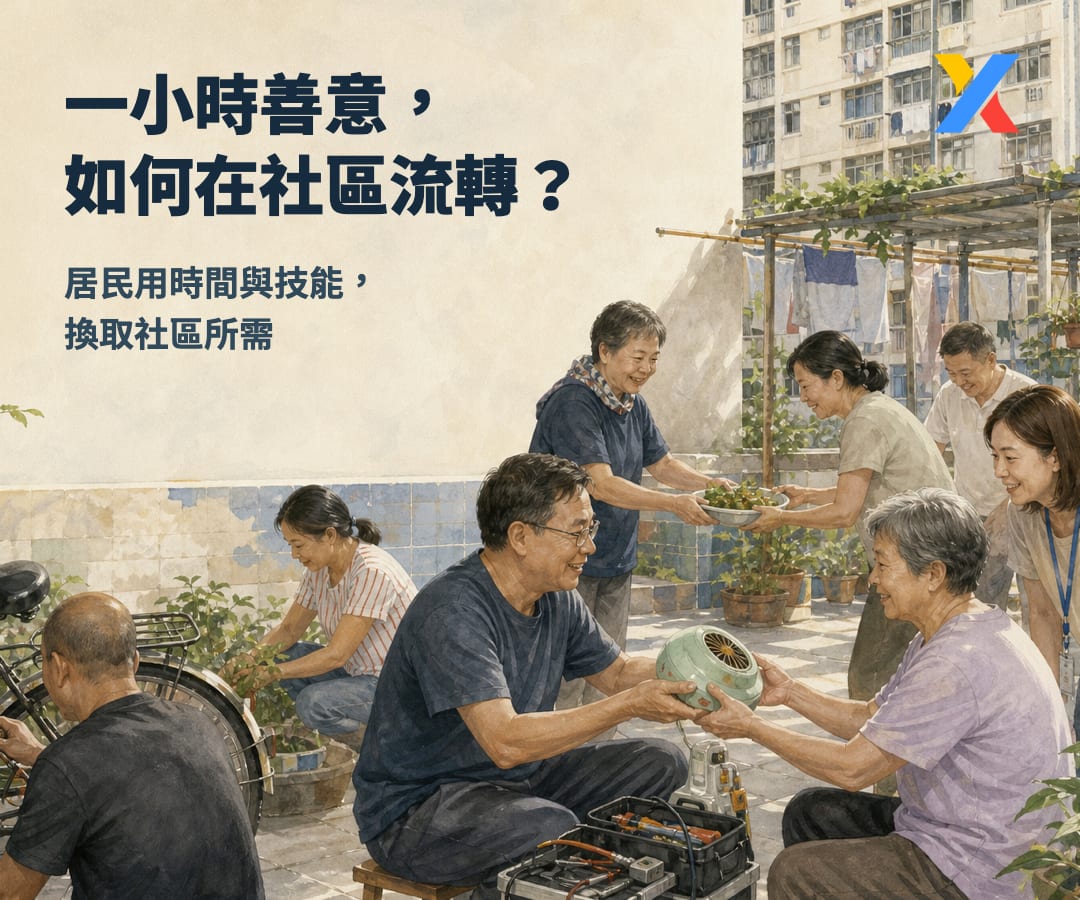
Can One Hour Circulate as 'Currency' in a Community? From Ithaca HOURS in New York State to a Mutual-Aid Network in Hong Kong's Kwai Tsing
Historical material on Ithaca HOURS and a Kwai Tsing mutual-aid network shows that any exchange medium depends on matching, trust, rules and sustained governance.
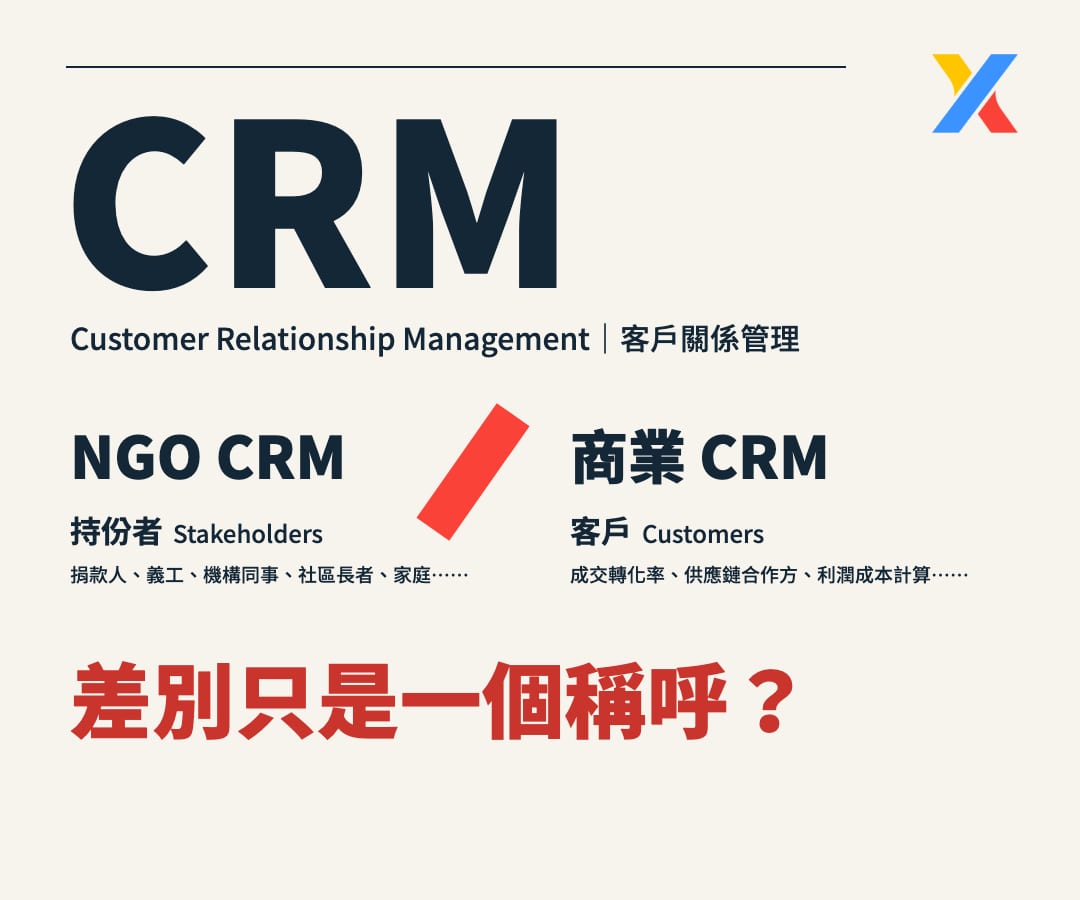
What Is a Nonprofit or NGO CRM? The Difference from Commercial CRM Is More Than a Name
An NGO CRM is more than a donor list. See how it differs from commercial CRM, fundraising, case-management and accounting systems.
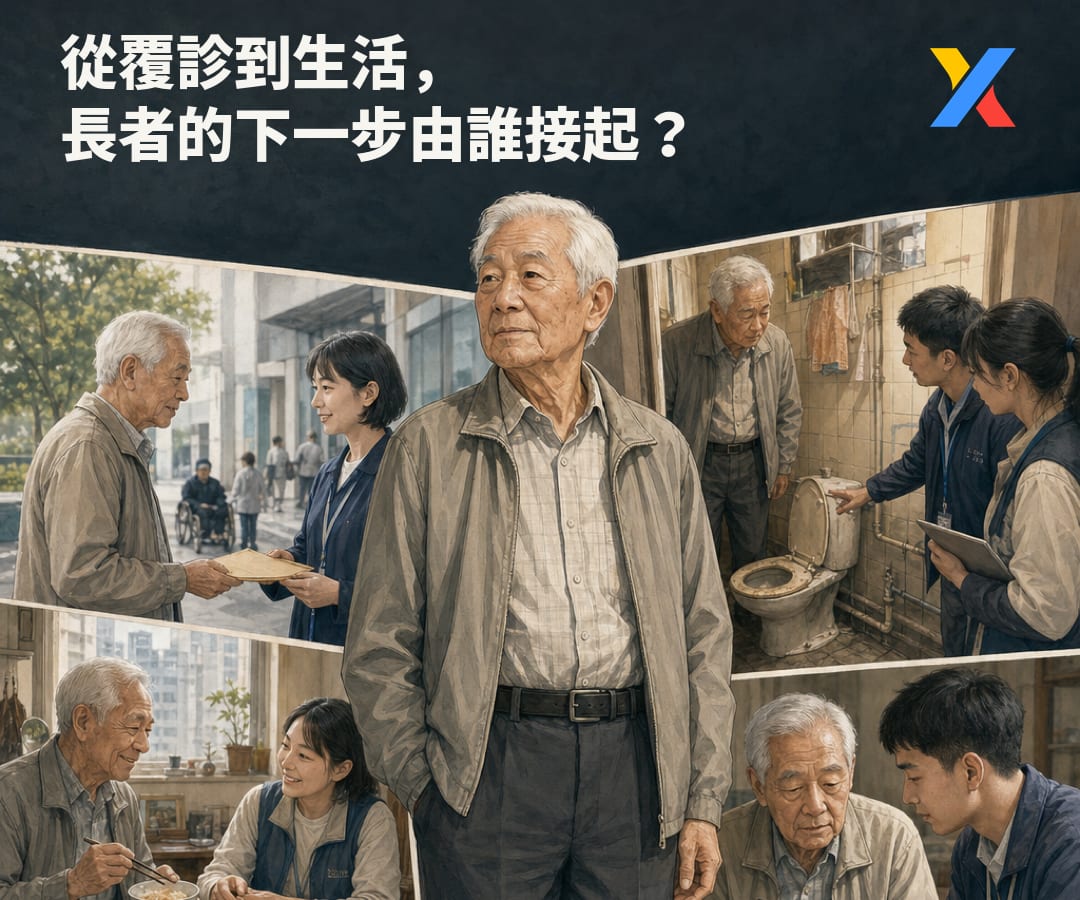
From Follow-Up Appointment to Daily Life: Who Picks Up an Older Person's Next Step?
Elderly health service points will grow from 18 to more than 100. The next challenge is ensuring that every post-appointment step is received and carried forward.
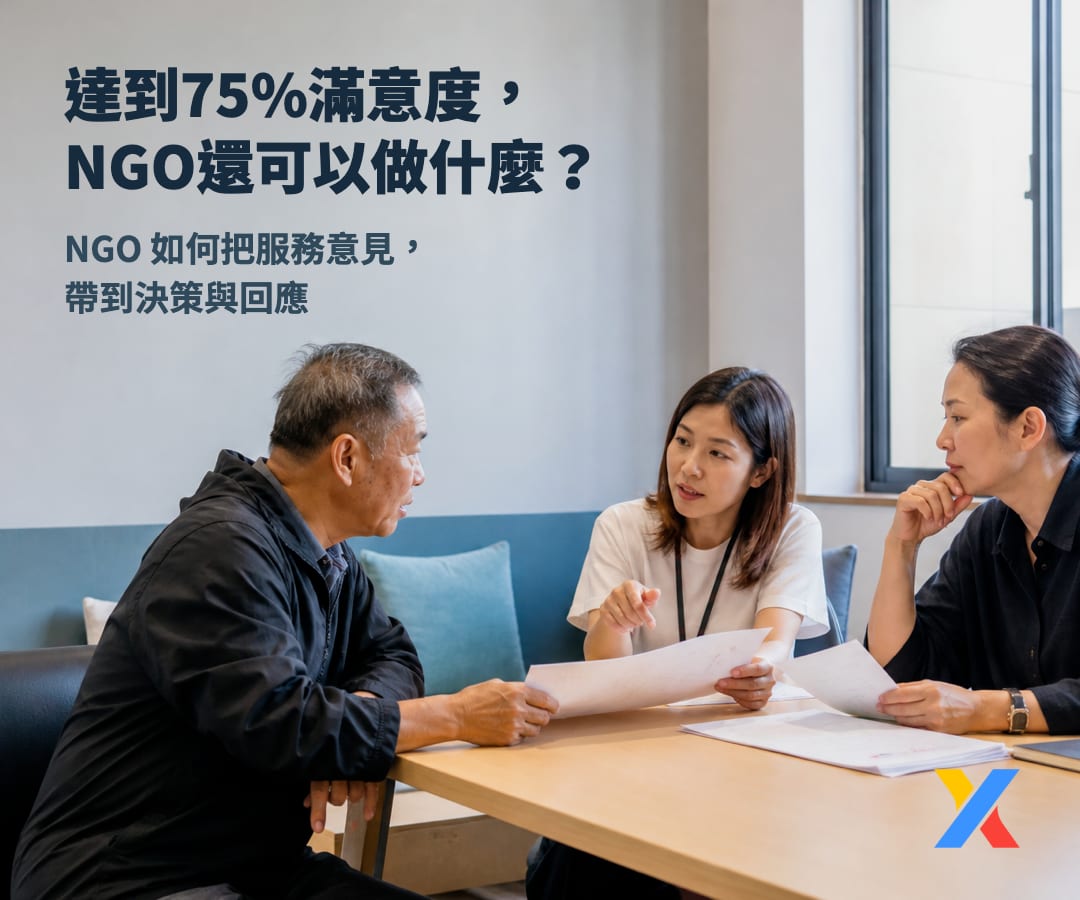
Starting with 75% Satisfaction: How Service Feedback Returns to the Policy Front Line
Hong Kong service-quality documents and research on nonprofit roles show why satisfaction data needs a traceable path through collection, interpretation, decision and response.
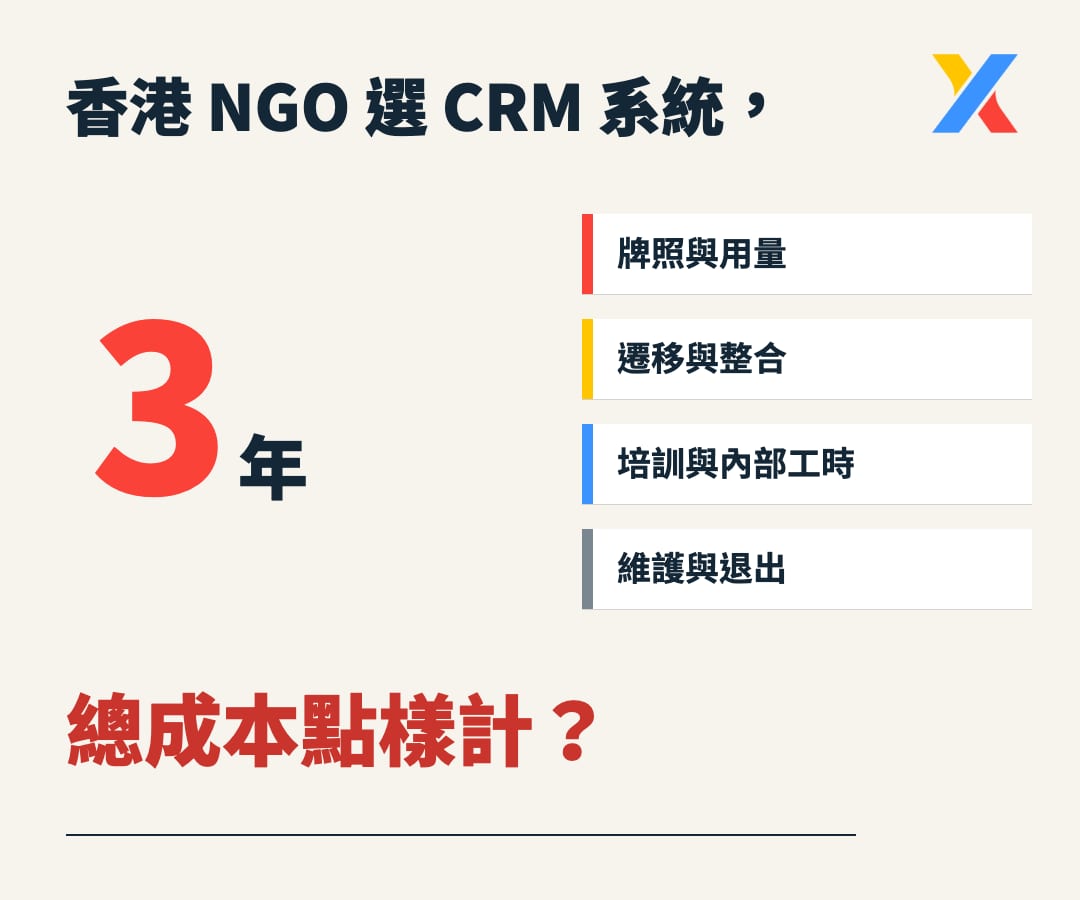
How Should a Hong Kong NGO Choose a CRM? Compare Three-Year Total Cost, Not Just Monthly Fees
Local or international, open source or SaaS? Hong Kong NGOs should compare CRM options through real workflows and the full three-year cost.
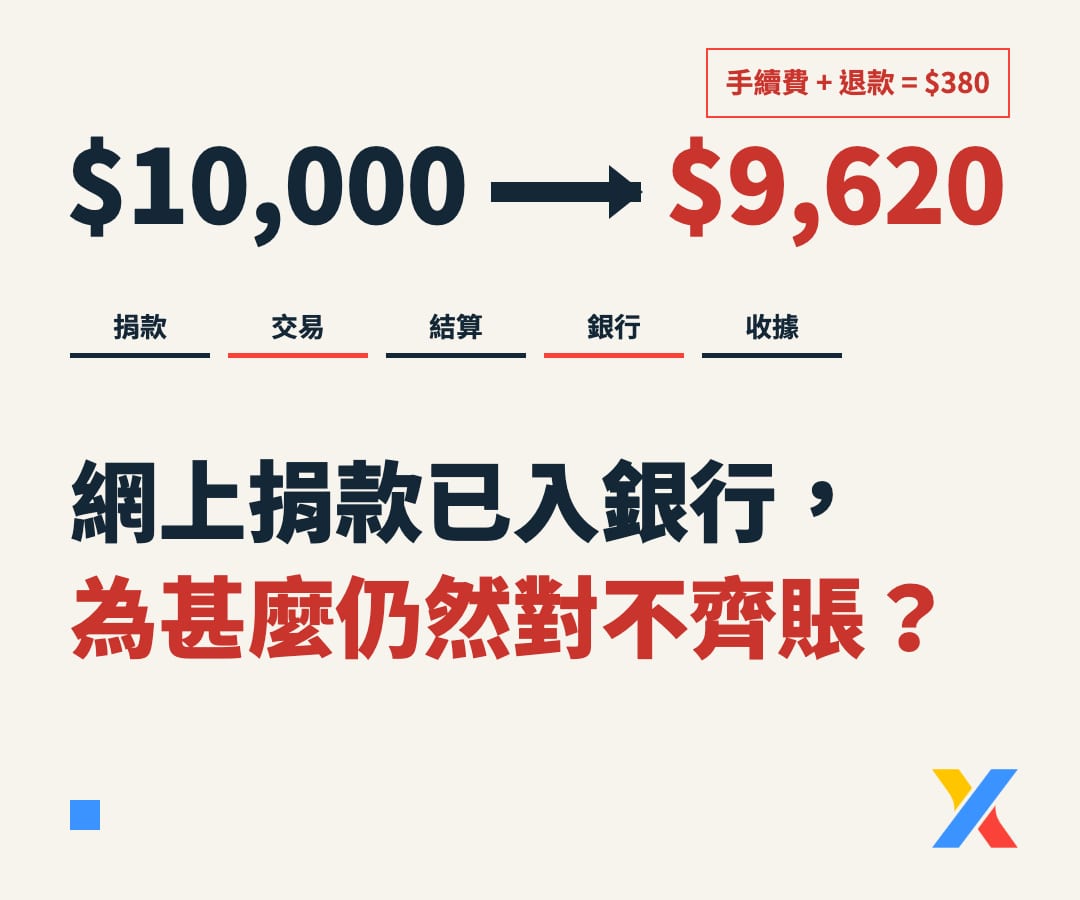
The Online Donation Reached the Bank. Why Can the Teams Still Not Reconcile It?
The bank receives a platform's net settlement, not an itemised donation list. See how fees, refunds, receipts and team responsibilities fit together.

Flag Day Volunteer, Donor and Member: Could They Be the Same Person?
Could Ah Ching become three unrelated names after volunteering on Flag Day, donating and joining a member activity? Contact management helps NGOs sustain civic participation.

Why Re-enter Your Name and Phone Number for the Next Activity?
Ka Yan entered her name and phone number three months ago. Why must she type them again? Connecting forms to contacts can reduce duplicate administration.

Starting with WordPress Vulnerabilities: Five Digital Service Risks for Hong Kong NGOs
Five connected digital risks that can disrupt NGO websites, accounts, vendors and essential public services.
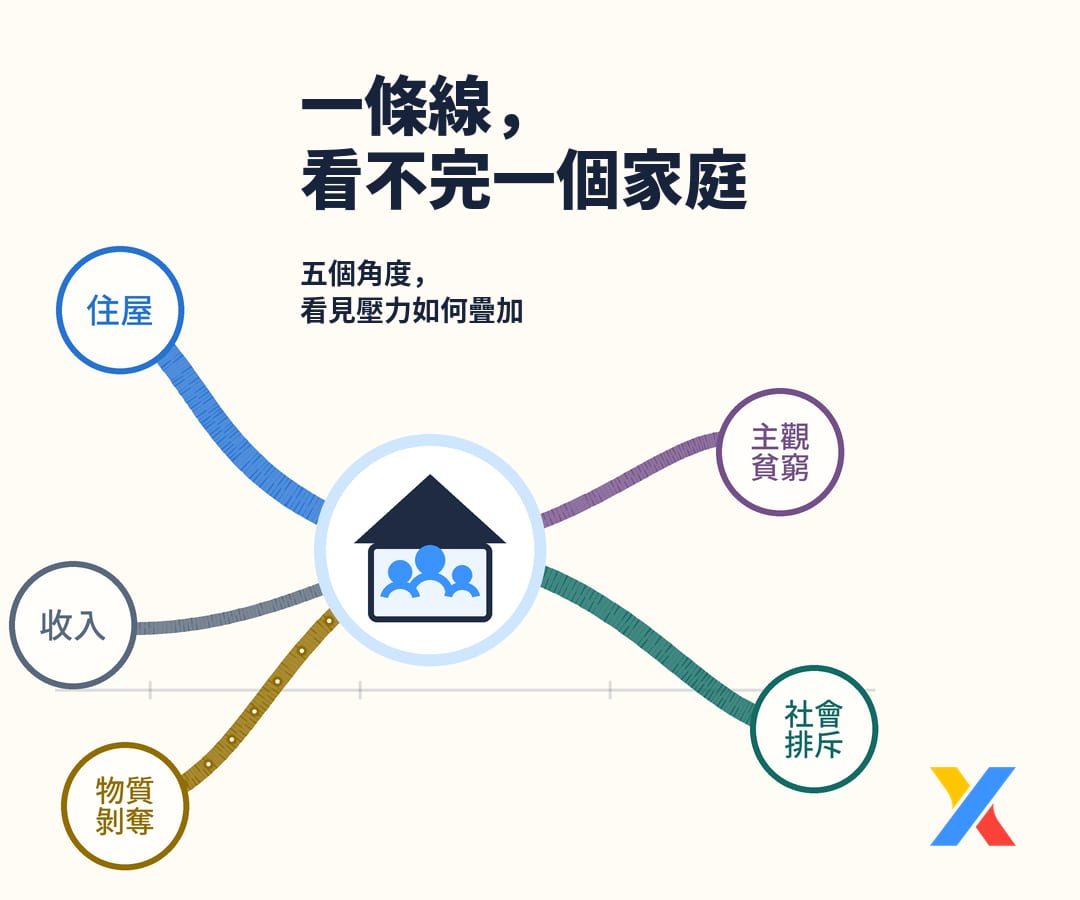
Poverty by More Than One Measure: How Hong Kong NGOs Can See Pressures Families Carry at the Same Time
Hong Kong research shows how income, housing and care pressures connect to service and shared responsibility.

From a Receipt to Service Performance Reporting: Month-End Reconciliation Starts with Daily Operations
Using one service-centre transfer and refund, this article shows how membership, fees, receipts, financial reconciliation and SWD service performance reporting should connect.
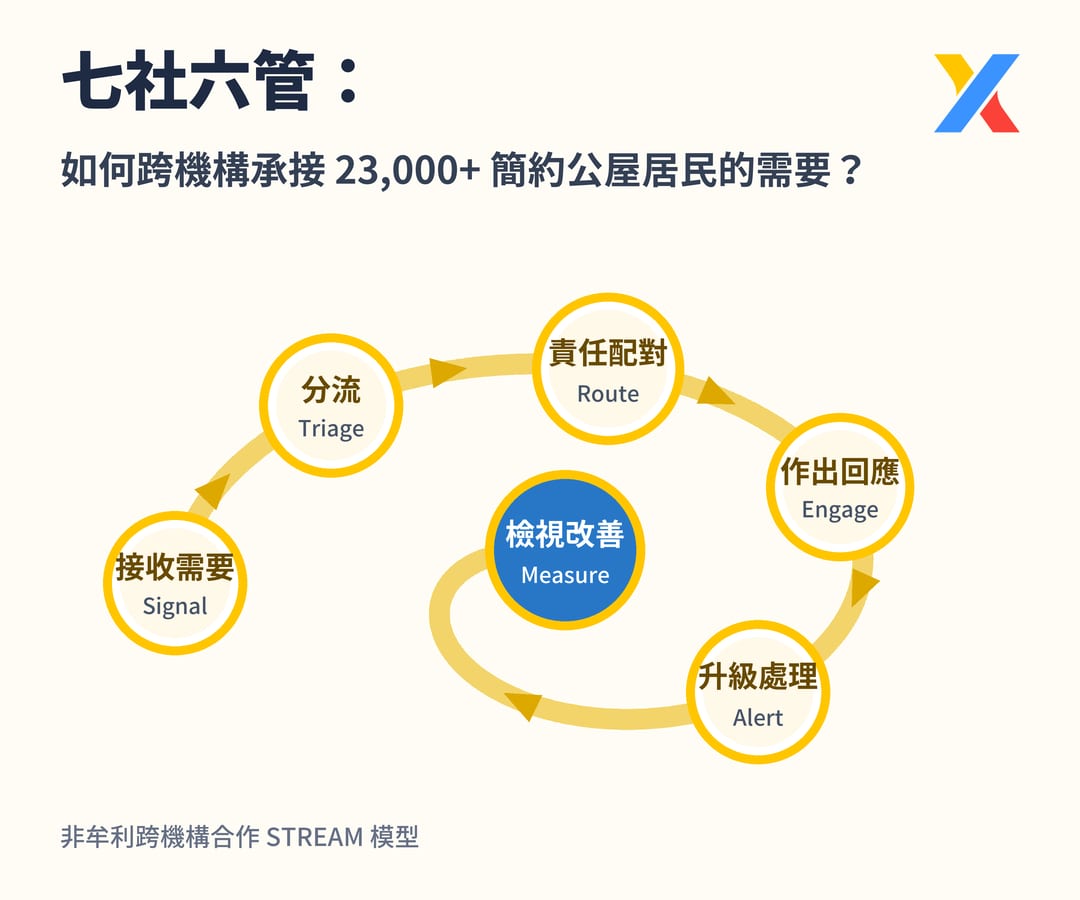
STREAM Model: How Can Light Public Housing Respond to 23,000 Residents?
Light Public Housing contracts cover more than security, cleaning and maintenance. They ask joint-venture operators to deliver tenancy, facilities and social services as one operation.
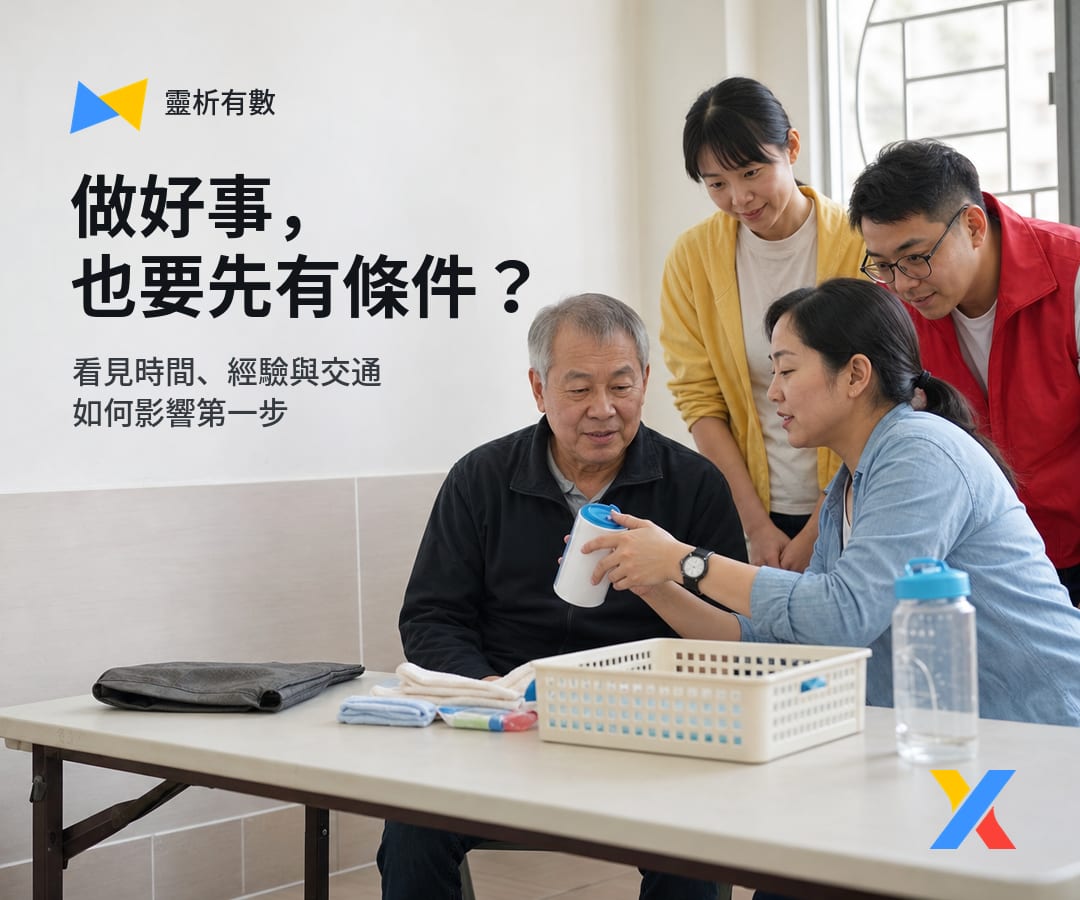
Who Gets to Volunteer? The Participation Barriers Hidden in Volunteer Systems
Hong Kong research helps distinguish essential safeguards from volunteer participation costs that NGOs can reduce.
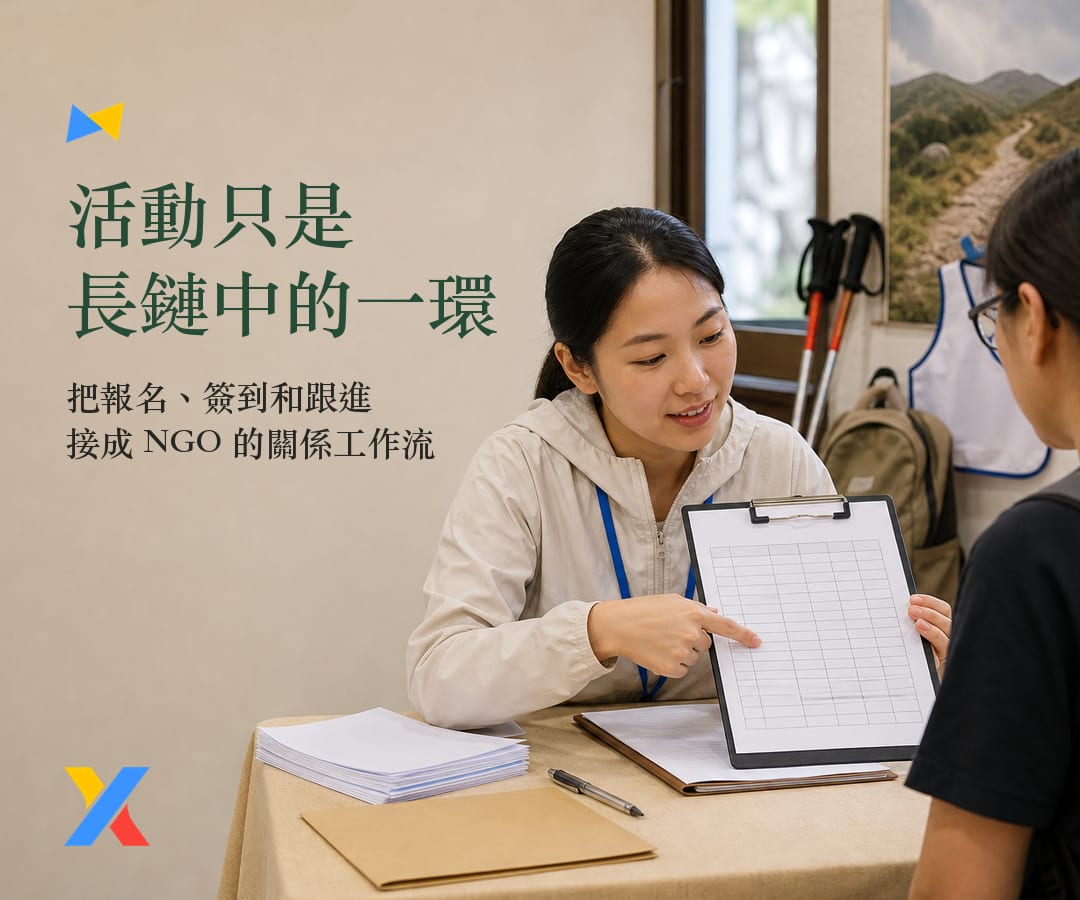
Events Through a Theory of Change Lens: Connecting Registration, Attendance and Follow-up
How Hong Kong NGOs can connect event registration, attendance and follow-up into a continuing relationship workflow.

Beyond the List: How Should Charities Account for Trust? What Section 88 Brings to the Surface
A recent LegCo reply on Section 88 and charity regulation prompts NGOs to examine how receipts, service-centre responses, reports and board responsibility shape public trust.
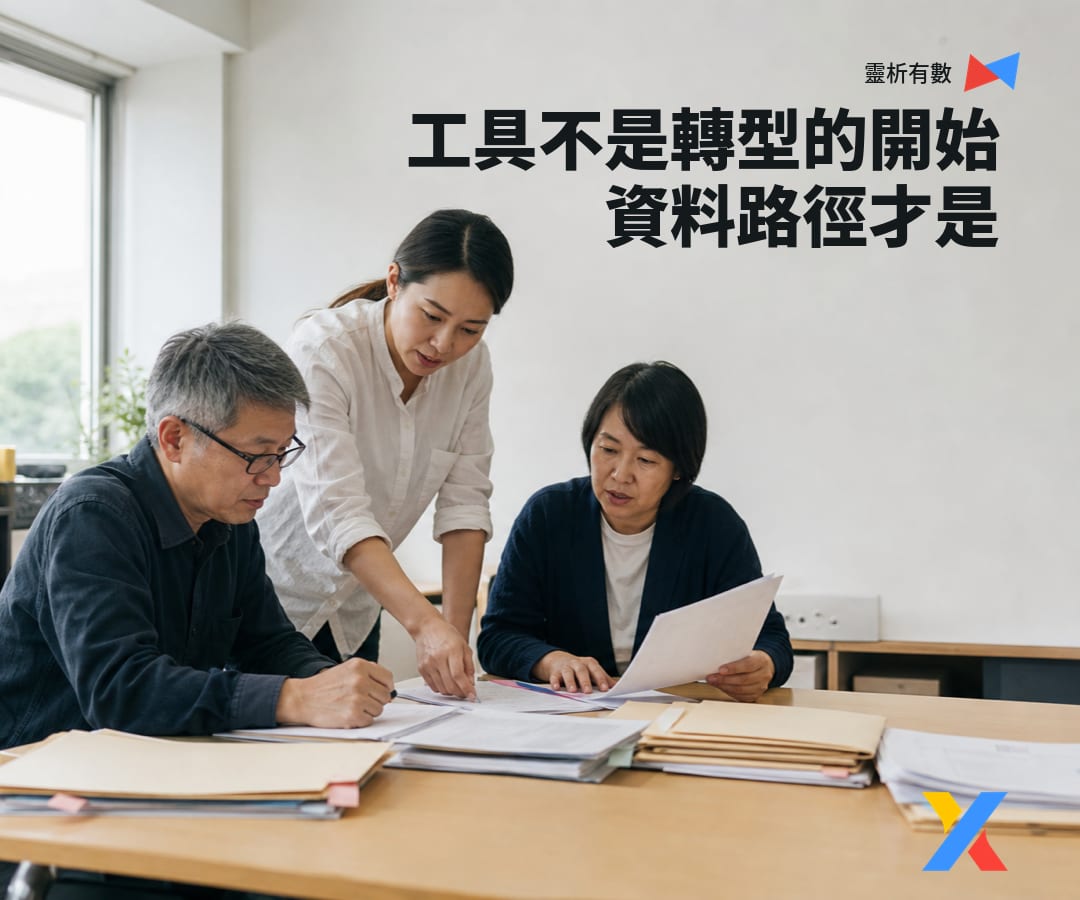
Before Buying AI, Hong Kong NGOs Need to Map How Data Moves
Why Hong Kong NGOs should map data flows and accountability before introducing AI, CRM or case management systems.

A Day in a Community Living Room: What Should a Community Service Site Be Asking?
Starting from a day in a Community Living Room, this article asks how service sites can connect visits, facility use, activities, referrals, follow-up, and outcomes into one service data line.

Donation Is Not a One-Off Transaction: How Hong Kong NGOs Can Build Long-Term Donor Relationships
A research-led view on how Hong Kong NGOs can connect donation records, donor updates, annual reports, and flag day follow-up.
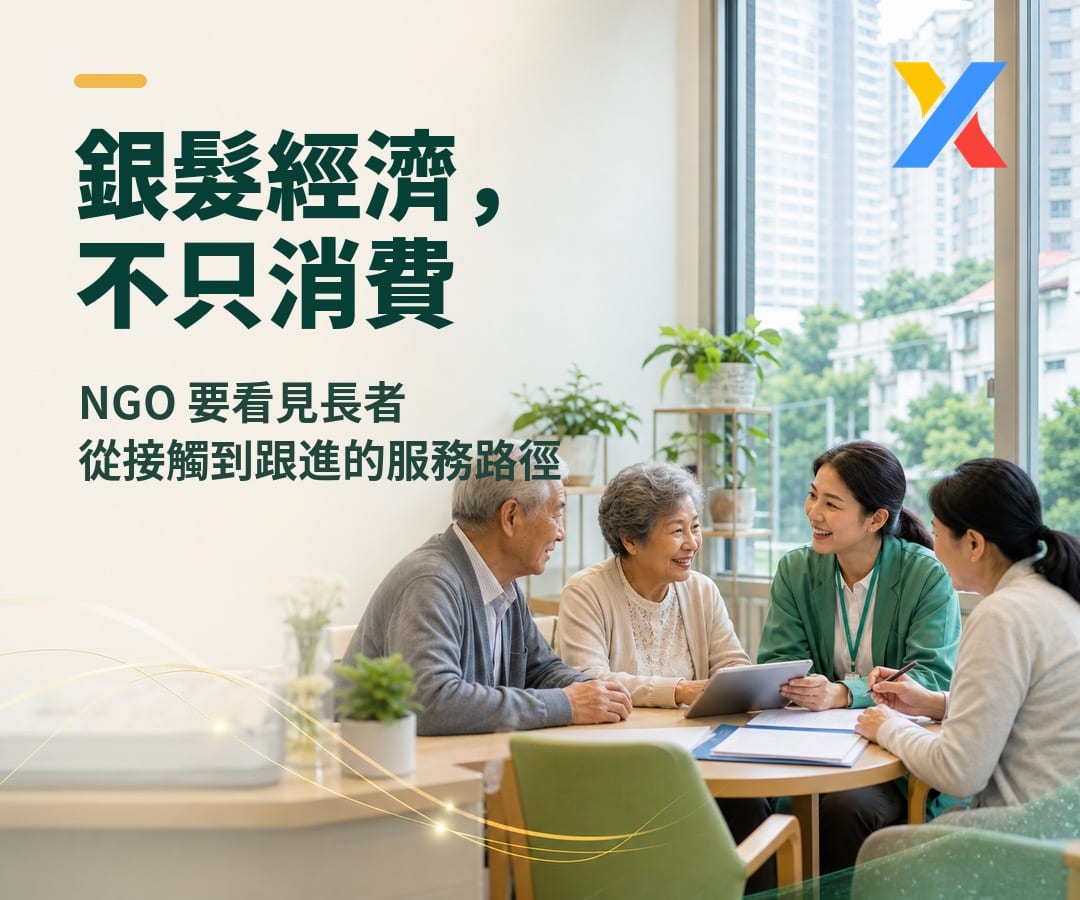
The Silver Economy Is More Than Consumption: From Short-Term Discounts to Long-Term Care
From merchant offers to elderly centres, community care, health support, residential care, and gerontechnology, the question is whether NGOs can see the pathway.
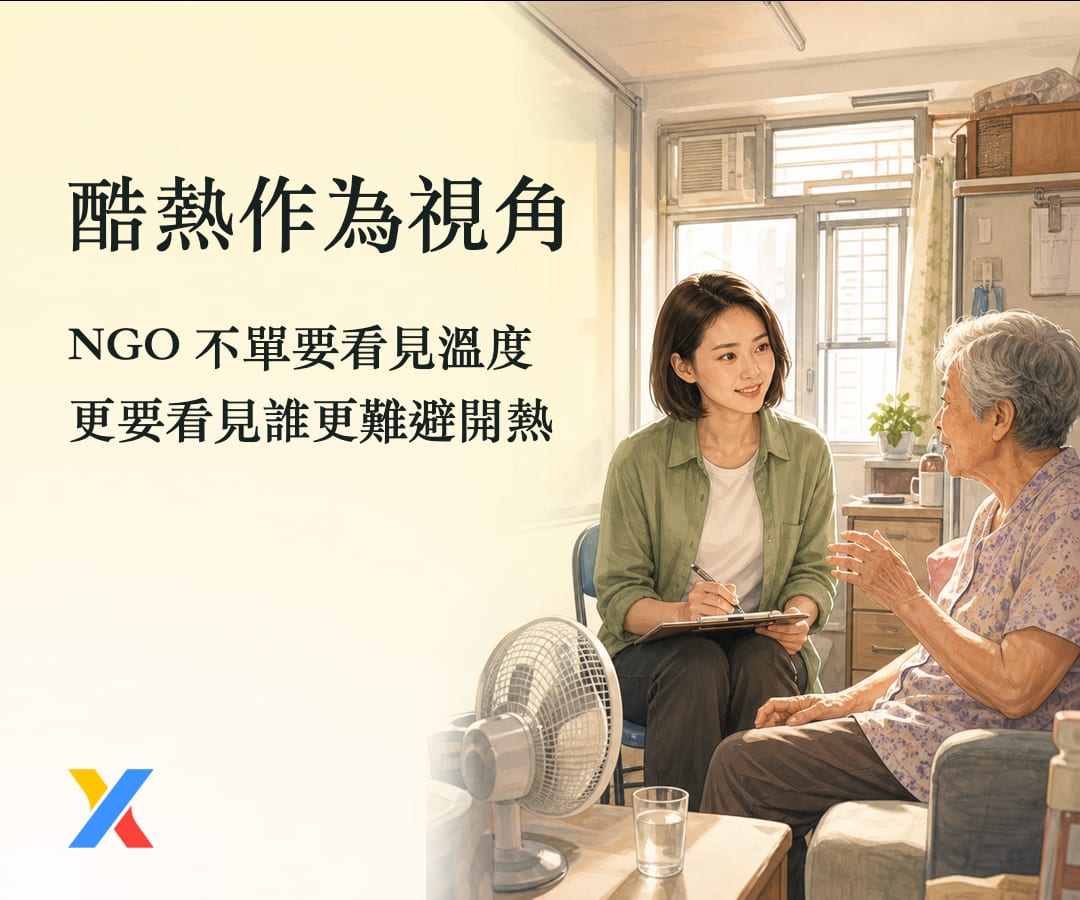
Heat as a Lens: Which Communities Find It Hardest to Avoid the Heat?
Starting from heat warnings, temporary shelters, and outdoor service scenes, this article frames heat as a practical signal for service design, volunteer safety, and frontline judgement.
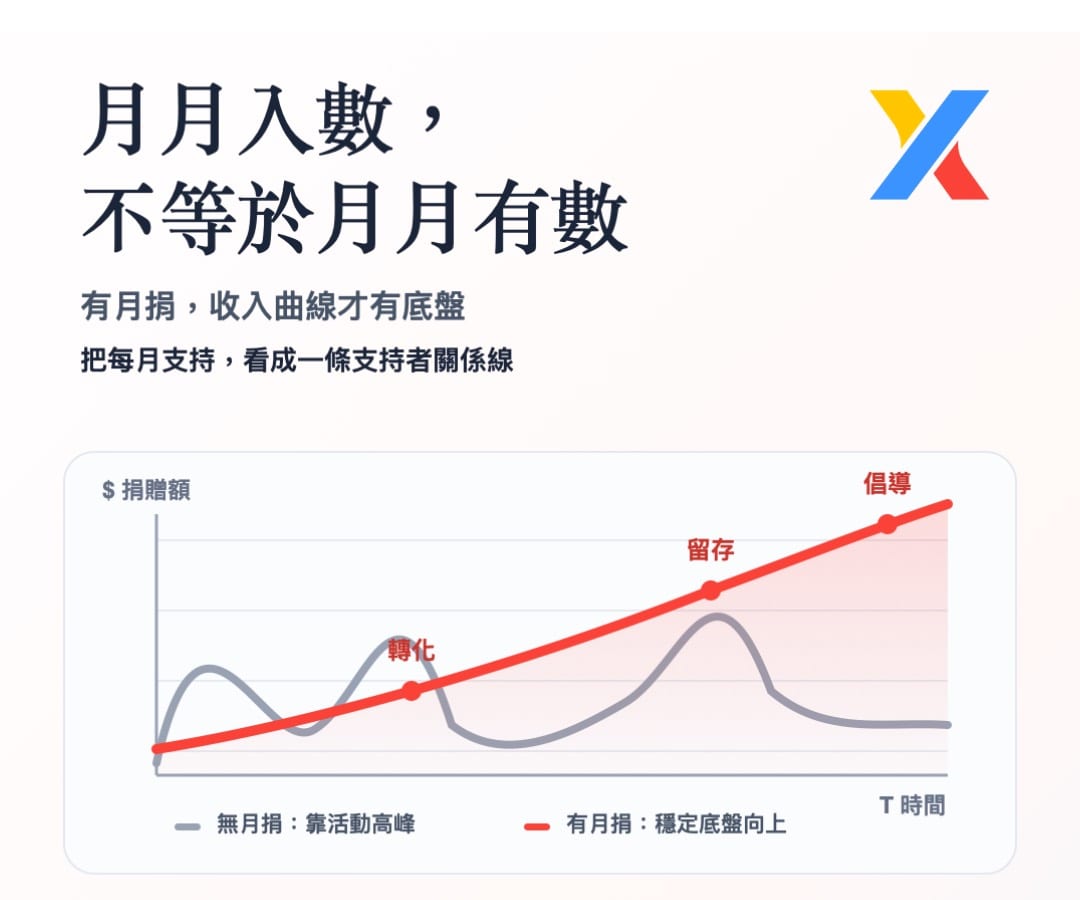
The Monthly Donor Lifecycle: From First Awareness to Long-Term Support
Starting from income stability, donor retention, and the supporter journey, this article shows how NGOs can extend monthly giving forms into a relationship system.
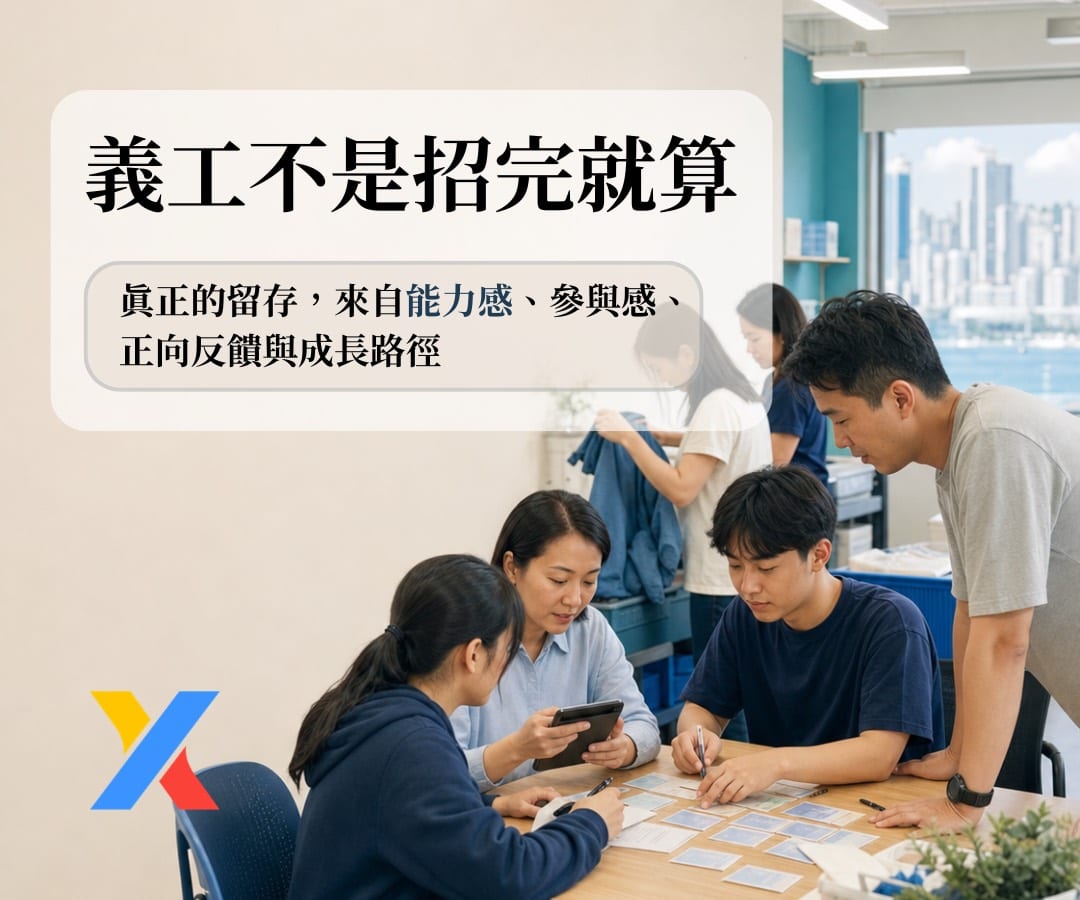
Volunteers Are Not Finished at Recruitment: A Volunteer Database Should Be a Retention System
Drawing on volunteer retention research and Hong Kong examples, this article explains why a volunteer database should support competence, feedback, growth paths, and suitable next participation.